
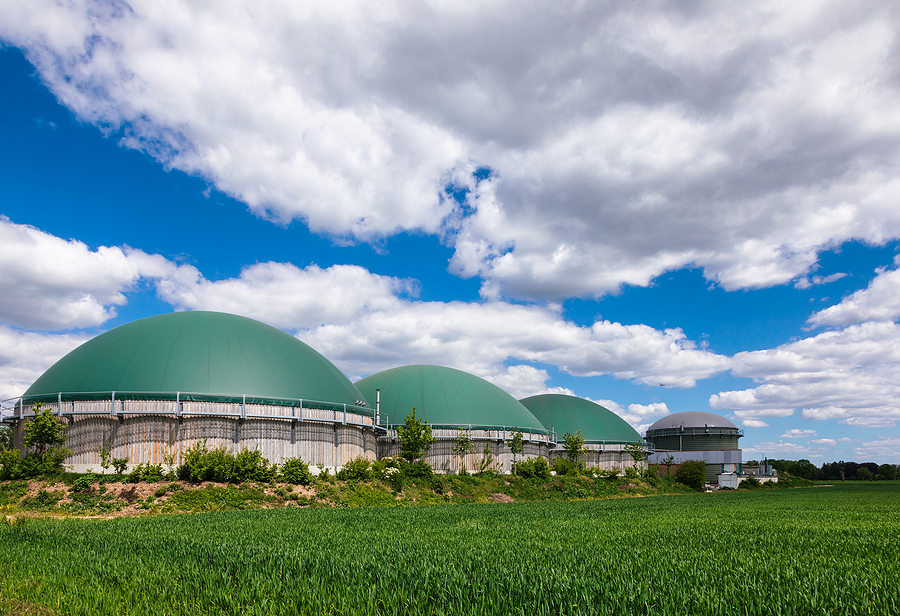
October 23, 2026. Aemetis, Inc., a diversified renewable natural gas and biofuels company, announced that its Aemetis Biogas subsidiary has completed construction and started operation of two additional dairy biogas digesters as part of the company’s biogas production network.
Aemetis now operates 14 dairy digesters that receive manure feedstock from 17 dairy facilities that are expected to produce about 600,000 MMBtu per year of renewable natural gas (RNG). Biogas produced at the digesters is transported by 36 miles of Aemetis pipeline to a central biogas-to-RNG production facility in Keyes, California, which delivers RNG into the PG&E utility gas pipeline. Aemetis has signed agreements with a total of 50 dairies in the area to install digesters.
“Adding two new dairy biogas digesters represents continued progress on the expansion of dairy RNG production, reusing waste products from California’s large dairy industry and providing a valuable biofuel to replace expensive diesel,” stated Eric McAfee, Chairman and CEO of Aemetis. “We appreciate the strong support of our dairies and construction firms as we continue to build out the network, further increasing revenue in the Aemetis Biogas segment.”
The new digesters use two of the fourteen biogas cleanup and compression systems that Aemetis has purchased and received from NPL Construction, a subsidiary of Centuri Holdings, Inc. (NYSE: CTRI), an infrastructure services contractor. The remaining units in Aemetis’ inventory will significantly reduce the project construction time required for the next 12 digester installations.
Aemetis also expects to complete the construction of its first RNG fueling station in Keyes, California in the next few weeks, with deliveries to truck fleets scheduled to begin in November 2026.
“The Aemetis Biogas Central Digester Project continues to expand, producing low-cost fuel that Aemetis plans to sell to truck fleets for less than $2 per diesel gallon equivalent in California, where diesel prices exceed $7 per gallon,” added McAfee. “With seven approved Low Carbon Fuel Standard pathways and six more biogas pathways nearing approval, collectively averaging a negative 328 carbon intensity, we expect to continue to grow biogas revenues while supporting the domestic production of renewable energy, job creation, and local economic development.”