
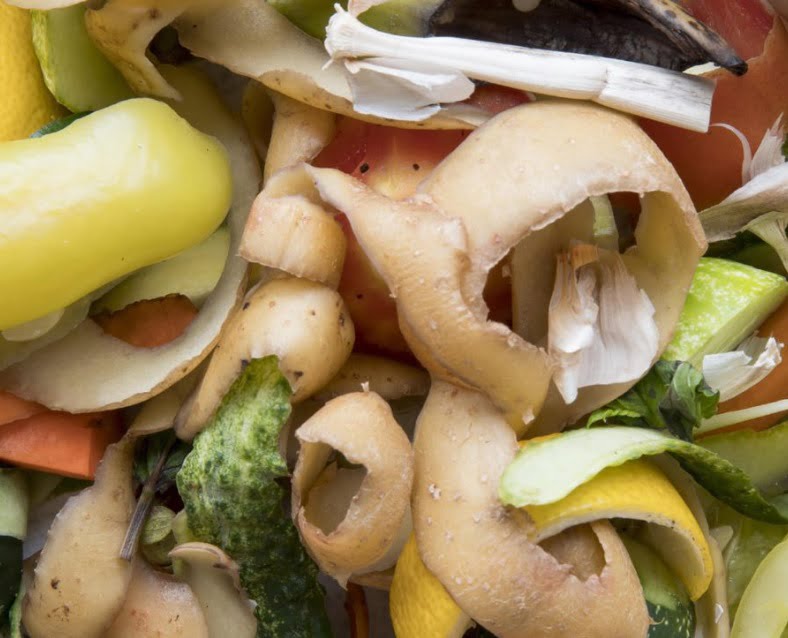
November 26, 2023. Energy Vision’s latest report, Putting New York’s Organic Waste to Work, shows how anaerobic digestion (AD) of organic wastes to produce renewable natural gas (RNG) is essential for the State to meet its climate goals, improve public health, and expand the economy.
NYS has enacted ambitious greenhouse gas reduction policies under the 2019 Climate Leadership and Community Protection Act, but they fall short in addressing the biggest source of methane – the waste sector.
Methane is a “climate super pollutant” whose environmental impact is 84-87 times greater than carbon dioxide over a 20-year period, and rotting organic wastes generate nearly triple the methane (34%) than the State’s oil and gas industry does (12%). To stave off the worst effects of climate change, Energy Vision said they must cut methane emissions significantly in the next few years – and that means turning the continuously generated streams of food waste, manure, wastewater, and landfill gas from liabilities into assets.
Energy Vision knows the path forward: converting that organic waste through AD into RNG. RNG is the lowest carbon fuel available and a proven commercial option today using existing technology. RNG is deeply carbon net negative when produced from food waste, manure, or wastewater, meaning that more greenhouse gases are captured during the fuel’s production than are released when it’s transported and consumed.
New York State currently has around 200 sites with operational anaerobic digesters, mostly using dairy manure, but it has vast potential for more from all sources of organic waste. With the right laws and regulations in place, Energy Vision has calculated that building ~20 new food waste digesters, ~20 digesters at wastewater plants, and ~260 dairy manure digesters would cut New York State’s methane emissions by 15%. Meeting that potential could equate to approximately 8,000 new jobs across the ~300 new projects and around $3.4 billion in capital deployed, a significant portion of which is expected to come from private capital markets and federal funding through the Inflation Reduction Act.
Only about a dozen of New York’s current AD sites upgrade the resultant raw biogas into RNG, although many more could viably do so. According to Energy Vision’s calculations, the State’s RNG capacity today is just over 5% of its achievable potential of 44.4 million MMBTU/year. That much RNG could replace approximately 320 million gallons of diesel, which is enough to power 32,000 refuse trucks per year – enough for more than 15x the number of garbage trucks in NYC or about one-sixth of refuse trucks nationwide.