
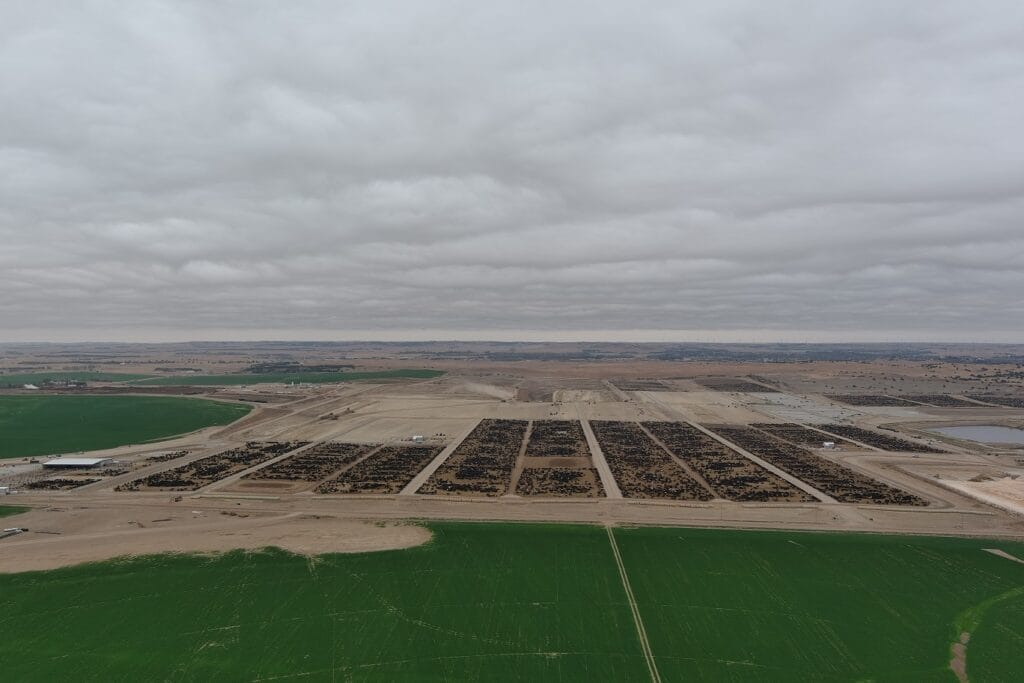
May 24, 2026. Neogenyx Fuels, a premier developer, owner, and operator of advanced fuel solutions, announced the commencement of construction on its first agricultural renewable natural gas (RNG) facility located at the Adams Land & Cattle, LLC. feedlot in Broken Bow, Nebraska.
The Neogenyx Fuels owned facility will capture and process manure through anaerobic digestion to produce biogas, which will be upgraded to pipeline‑quality RNG. The RNG will be used as a low‑carbon transportation fuel and for additional energy applications. Digestate byproducts generated through the process, including solids and liquids, will be beneficially reused onsite as livestock bedding and agricultural fertilizer.
The RNG facility will utilize eight anaerobic digesters to generate more than 4,400 standard cubic feet per minute (SCFM) of biogas, which will be upgraded into approximately 1.2 million MMBtu/year of pipeline‑quality RNG and injected into the local natural gas system. By capturing and converting manure into a valuable renewable energy source, the facility is expected to avoid up to ~63,700 metric tons of CO₂ annually, equivalent to the carbon sequestered by ~63,800 acres of U.S. Forest for one year. The project supports decarbonization efforts and delivers meaningful economic and environmental benefits to the surrounding community.
“This project represents a milestone in the industry and an exciting chapter for Neogenyx Fuels. The Adams feedlot RNG facility is a beacon, showcasing how advanced biofuels can provide tremendous investments in rural communities, create job growth, and position agriculture as the next major domestic export engine,” said Michael Bakas, CEO of Neogenyx Fuels.
“We’re proud to work alongside Neogenyx Fuels on a project that demonstrates how agricultural operations can play a meaningful role in advancing clean energy,” said Abram Babcock, CEO at Adams Land & Cattle, LLC. “This facility allows us to build on our day‑to‑day operations while delivering environmental and economic benefits close to home.”