
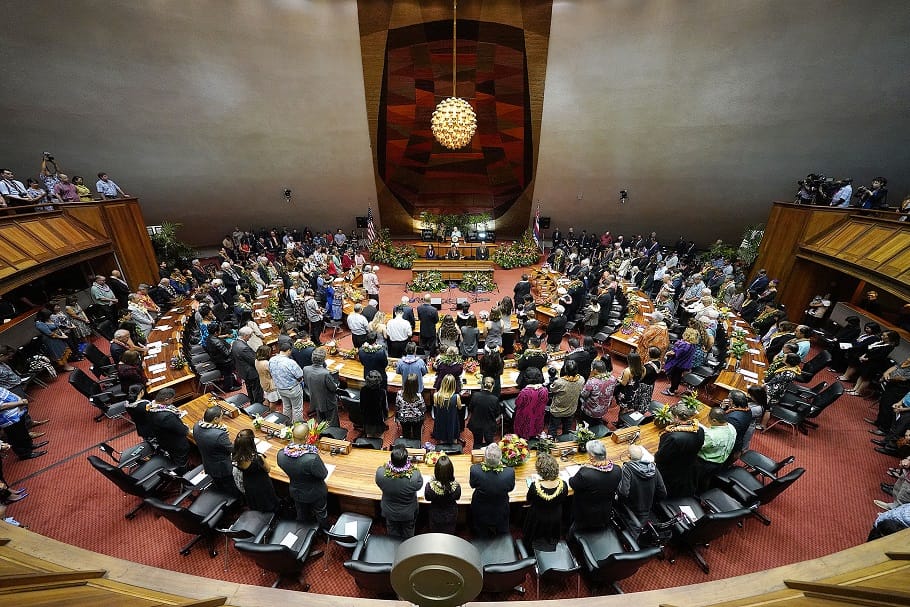
May 9, 2026. Hawaii legislators on May 6 passed legislation to create a Clean Fuel Standard to advance the State’s climate goals, improve air quality, and promote economic development.
If signed by Governor Josh Green, Hawaii would become the fifth US state to adopt a clean fuel program after California, Oregon, Washington and New Mexico. These programs have already demonstrated remarkable success in encouraging adoption of lower-carbon alternative fuels like renewable natural gas (RNG), with California’s diesel mix, in particular, now more than 75% comprised of renewable fuels.
The legislation directs the Hawaii Department of Transportation to establish program rules by January 1, 2028, with implementation beginning in 2029. The program would establish carbon intensity reduction targets of at least 10% below 2019 levels by 2035 and at least 50% below 2019 levels by 2045.
“The Low Carbon Fuels Coalition celebrates and applauds the Hawaii legislature for passing the clean fuel standard,” LCFC Executive Director Robin Vercruse said. “Programs in other states have not only exceded carbon intensity targets, but inspired significant economic development. Hawaii is now in line to do reap those proven benefits.”
“Hawaii’s clean fuel policy will expand markets for low carbon fuels like renewable natural gas and biogas-generated electricity,” said Patrick Serfass, Executive Director of the American Biogas Council. “When biogas projects capture methane from organic waste streams such as agriculture, wastewater, and landfills, they produce the lowest-carbon transportation fuel available, while creating jobs, reducing emissions, and strengthening local economies.”
“This legislation is an important step unlocking new investment in RNG and other low-carbon fuels while strengthening Hawaii’s energy resilience,” said Yanni Psareas, RNG Coalition’s Manager of State Government Affairs, who testified throughout Hawaii’s legislative session.
Governor Green has until July 15 to sign the bill.
Hawaii’s LCFS program would encourage the manufacture and use of cleaner fuels, sparking an economic boon, and providing new jobs. In addition to economic growth and carbon reductions, the law delivers significant additional benefits: lowering air pollution, reducing impacts on human health, diversifying the energy used in transportation, and creating fuel market competition.